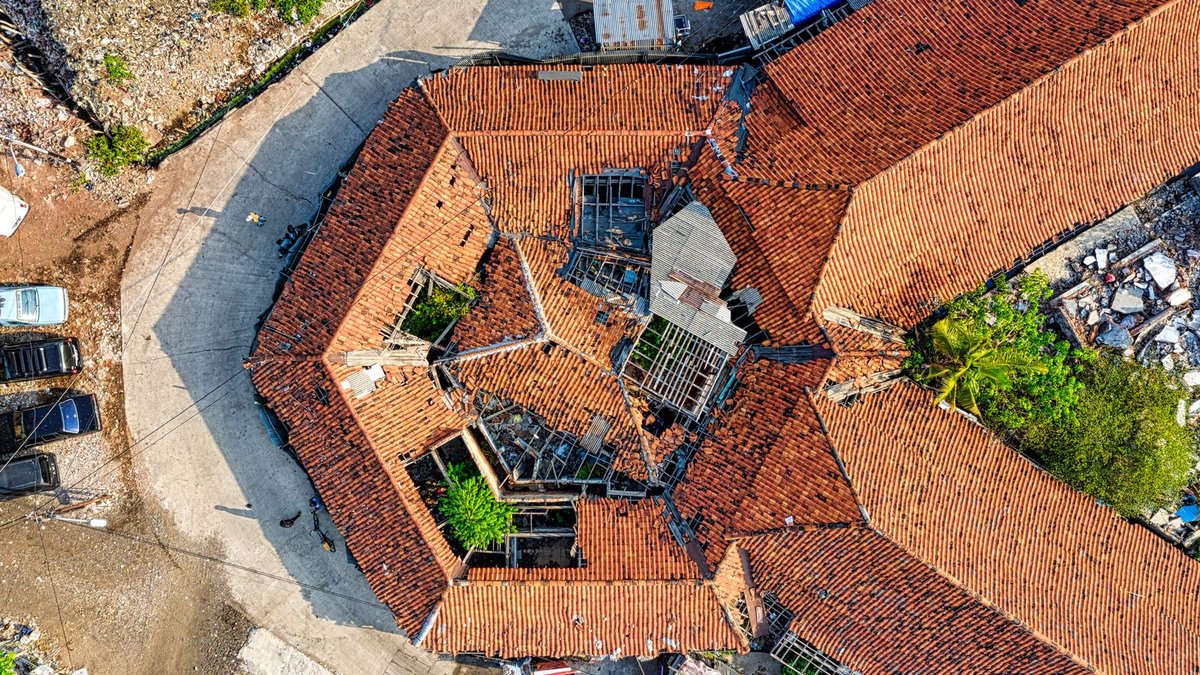
Drones boost roof inspection safety and accuracy, offering a new way for contractors to assess roofs without climbing ladders.
Industry adoption of aerial inspections
The Canadian Roofing Contractors Association (CRCA) has begun using multi‑rotor drones for both residential and large‑scale projects. Technical director Peter Kalinger said drones provide a “safety and cost advantage,” noting that they can capture a birds‑eye view of a roof’s condition without putting anyone on a sloped surface.
Beyond visual imaging, the drones can gather dimensions and other data useful for precise estimating. He also pointed to U.S. research that equips video drones with thermal sensors capable of detecting hidden water ingress or insulation gaps beneath roofing material.
Because commercial drone operations in Canada require a Special Flight Operators Certificate from Transport Canada, the technology remains in the hands of trained pilots. The certification ensures operators have the experience needed to handle powerful multi‑rotor platforms safely.
Case study: British Columbia Legislature roof
Victoria Aerial Survey, a five‑year‑old company founded by licensed pilot David Carlos, was hired to inspect the roof of the British Columbia Legislature. The assignment included checking the gold‑leafed statue of Captain George Vancouver, the copper dome, and the overall roof condition of the 116‑year‑old building.
Related: Builders adjust to new homebuyer trends
Carlos guided a powerful multi‑rotor drone equipped with a high‑definition camera to capture detailed photos of every roof segment. The images revealed that what appeared to be bird droppings on the seven‑foot‑high statue was actually base metal showing through aging gold leaf. The survey also identified structural issues on the dome that had previously been difficult to assess.
“They can fly high or low, they can hover and they provide high‑resolution photos or videos,” he said, emphasizing the drone’s versatility compared with traditional inspection methods.
For property managers, the benefit is twofold: they obtain clear, close‑up visuals while avoiding the safety regulations, access permissions, and potential damage associated with sending a crew onto a historic roof.
The shift toward aerial inspection reflects a broader trend in construction. As tools become more affordable, firms that adopt them can reduce labor costs and mitigate risk, which may influence bidding strategies in competitive markets.
According to Carlos, a commercial roof inspection by drone costs around $300. He argues that drones are cheaper than satellite or airplane imagery and eliminate the need for workers to climb onto the roof, making them “cheaper, safer and can get way closer.”
Related: Key Signs Your Home Needs System Upgrades To Enhance Efficiency
Professional roof inspectors still play an essential role. Sean Lang, president and senior consultant of Inter‑Provincial Roof Consultants Ltd., cautioned that certain details—such as membrane seal quality at a drain or protruding nails—require a physical presence on the roof.
Physical inspection remains essential.
Regulatory compliance extends beyond certification. Carlos highlighted privacy concerns when operating drones in urban areas, noting that pilots must respect local statutes and property owners’ rights.
Overall, the adoption of drone technology in roof inspections appears to be growing, driven by the promise of safer work environments and more detailed data collection. While drones do not replace every aspect of a traditional inspection, they provide a valuable complement that can streamline the assessment process for many contractors.