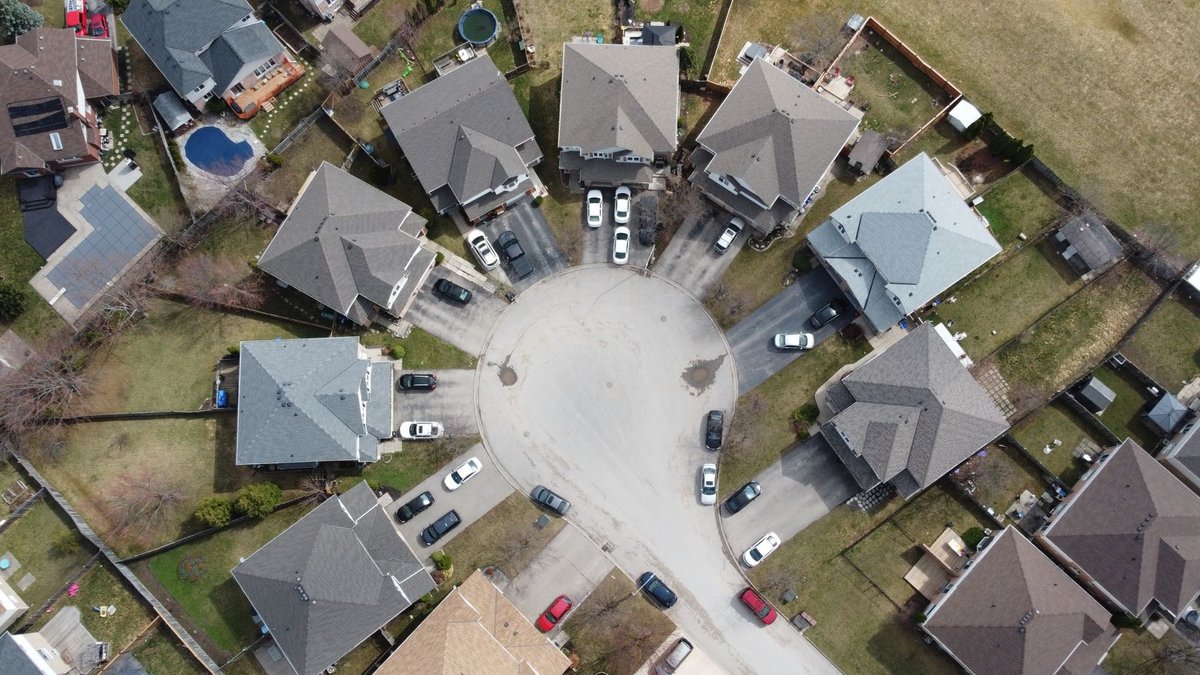
A recent study highlights serious obstacles to Ontario’s housing targets due to a shortage of available land.
A report by Malone Given Parsons Ltd. for the Building Industry and Land Development Association and the Ontario Home Builders’ Association found municipal plans in the Greater Golden Horseshoe and Greater Toronto Area lack sufficient space to accommodate mid- and long-term population growth. Without changes, the deficit could worsen and drive prices up further.
Decades of underbuilding leave gap
The Greater Toronto and Hamilton Area missed its housing target by about 80,000 units between 2006 and 2021. By 2051, demand for high-density apartments will rise sharply, increasing the shortfall.
Dave Wilkes, BILD’s president and CEO, stated the region is already behind. “We’re starting from a position of deficit,” he said. “Every year we delay, the problem compounds.”
The study outlines two potential solutions: expanding municipal boundaries to allow more ground-level construction or redeveloping existing low-density neighborhoods. However, the province’s decision to “reset” official plans may prevent new land releases, leaving redevelopment as the sole option.
That approach would require replacing one in every 10 single-family homes with multiplex units by 2051. The report describes this outcome as unrealistic.
Related: Step-by-Step Guide to Hiring an Electrician Georgetown
Immigration adds pressure
The Greater Toronto and Hamilton Area takes in over 30% of Canada’s annual immigration, increasing demand for housing. Neil Rodgers, OHBA’s interim CEO, said policies must match growth projections to prevent a persistent imbalance.
“If we don’t get this right, prices will keep rising, and affordability will keep slipping away,” Rodgers said. “More people need more homes.”
The report suggests the gap between supply and demand could grow if municipalities don’t revise their planning.
The report urges quick action from the province and municipalities but doesn’t recommend specific policy changes. Without intervention, the housing crisis could last for decades.
Both associations have asked the government to ensure enough land exists for market-driven development to meet forecasted growth to 2051. They argue artificial limits will only increase costs. The full study is available on the OHBA website.